A distributor asking for a logo and branded packaging, a door manufacturer requesting a new narrow-profile panel, and a property technology company integrating a lock with its own platform may all describe their requirements as “customization.” In practice, these are very different projects.
The correct cooperation model affects far more than development cost. It influences time to market, minimum order quantity, door compatibility, certification responsibility, software dependency, intellectual property and long-term supply risk.
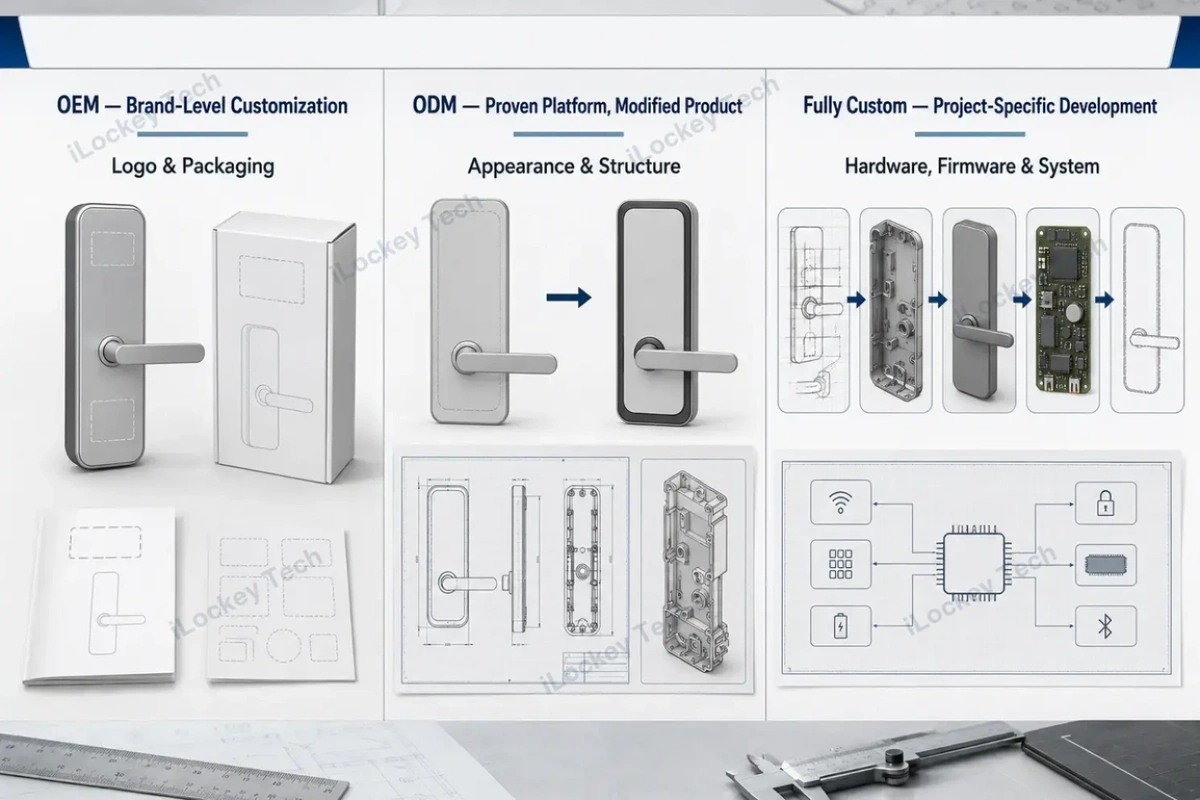
For this article, OEM means starting from a production-ready smart lock with mainly brand-level changes. ODM means modifying a proven product platform. Fully custom development means creating a project-specific solution whose scope may extend to the mechanical structure, electronics, firmware or management system. These definitions are practical working categories rather than universal legal definitions, so buyers should always confirm what a supplier includes under each term.
1. What OEM, ODM and Fully Custom Mean in a Smart Lock Project
Before comparing these three development routes, it is important to understand what each one changes in the product and how much customization the project actually requires.
1) OEM Smart Locks: Start from a Production-Ready Product
OEM is usually the fastest route when an existing product already fits the target door, application and market. Typical changes include the logo, finish selected from available options, packaging, labels, manuals and accessory configuration.
The buyer benefits from an established bill of materials, existing tooling and a product that has already passed internal production validation. However, “production-ready” does not automatically mean “ready for every market.” The buyer still needs to confirm door and mortise compatibility, applicable reports or certifications, language requirements, software terms and the exact approved configuration.
2) ODM Smart Locks: Modify a Proven Platform
ODM begins with a mature technical base but changes part of the product for a buyer or market. The project may involve a new panel shape, handle, material, surface treatment, mortise interface, waterproofing detail, mechanical transmission, function combination or selected firmware behavior.
This route can create meaningful differentiation without rebuilding the complete product architecture. The main challenge is controlling the boundaries: which components remain standard, which items require tooling, which tests must be repeated, and whether the modified design is exclusive.
3) Fully Custom Development: Build Around Project Requirements
Fully custom development is appropriate when no current product platform can meet the essential requirements. The development scope may include industrial design, mechanical engineering, dedicated tooling, PCBA changes, firmware, communication protocols, gateways, API or SDK work, and project-specific management workflows.
“Fully custom” does not necessarily mean every component is created from zero. A well-managed project may reuse proven motors, fingerprint modules, radio modules, cloud services or manufacturing processes while developing the elements that create real project value.
4) Quick Comparison
| Factor | OEM | ODM | Fully Custom |
| Starting point | Production-ready product | Proven product platform | Project requirement |
| Typical changes | Logo, packaging, documentation, available options | Appearance, mechanical details, selected electronics or firmware | Product architecture, hardware, firmware and/or system |
| Time to market | Usually shortest | Moderate | Usually longest |
| Non-recurring cost | Usually lowest | Tooling and engineering may apply | Highest development exposure |
| Main buyer risk | Poor product-market or door fit | Scope creep and unclear exclusivity | Schedule, budget and technical dependency |
| Best fit | Market testing and standard product lines | Controlled differentiation | Proprietary products or complex projects |
2. What Can Actually Be Customized?
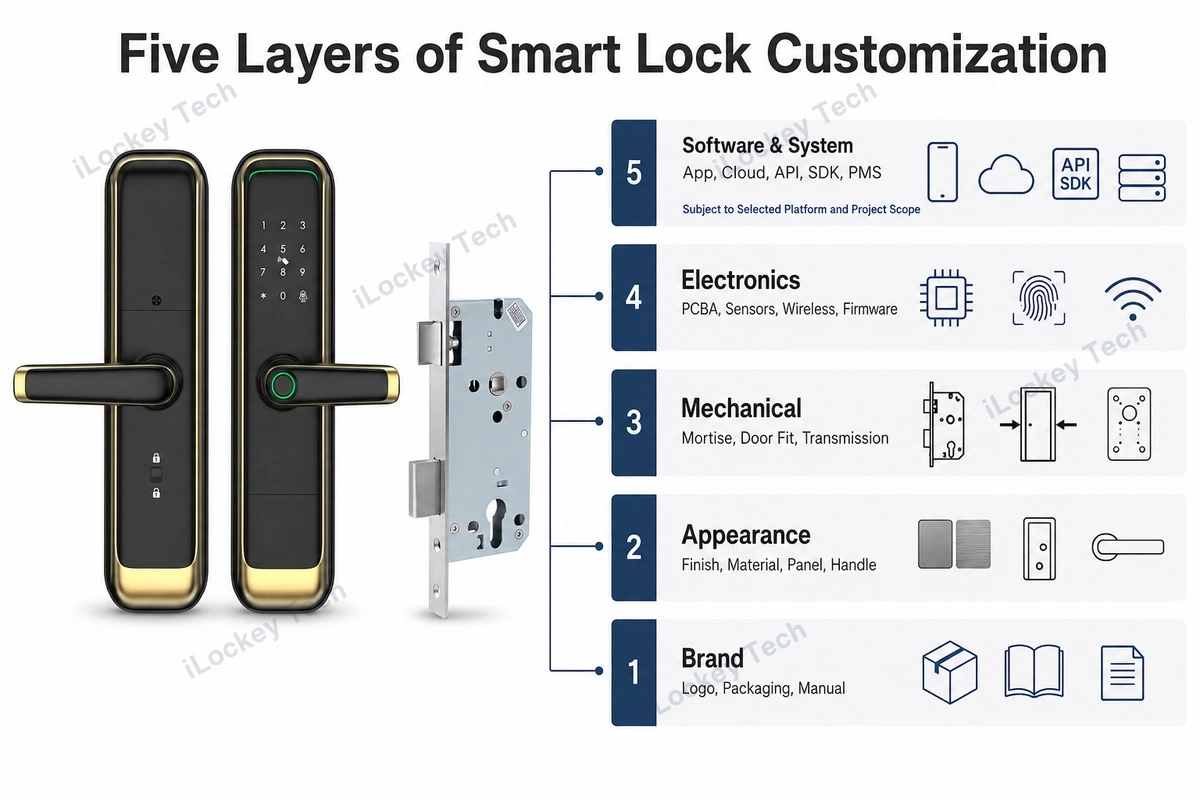
Smart lock customization should be discussed in layers, because changing one layer can affect another.
- Brand layer: logo, packaging, label, manual and accessory set.
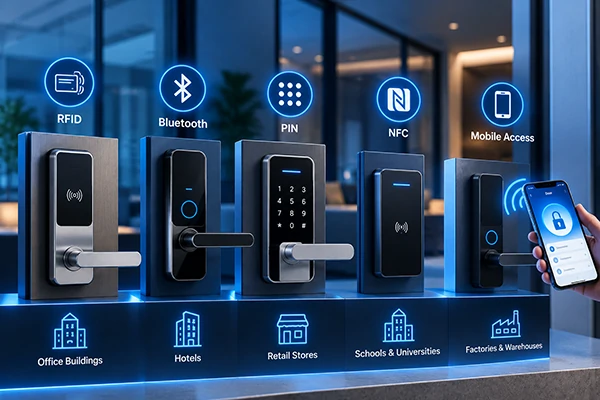
- Appearance layer: color, finish, material, panel, handle and decorative elements.
- Mechanical layer: mortise, spindle, transmission, door thickness, opening direction, drilling pattern, waterproofing and fire-related construction.
- Electronic layer: PCBA, sensors, motor control, power design, wireless module and firmware.
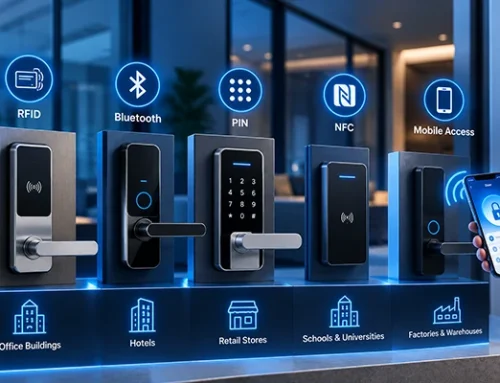
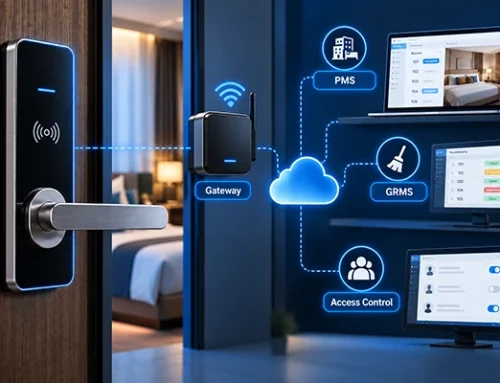
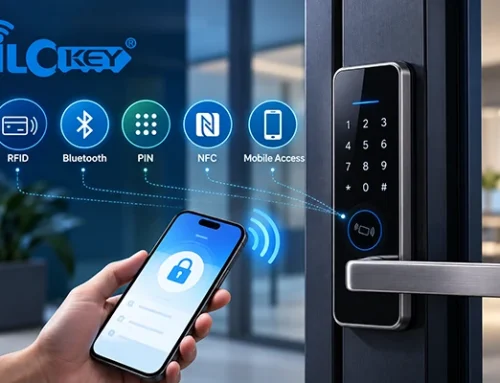
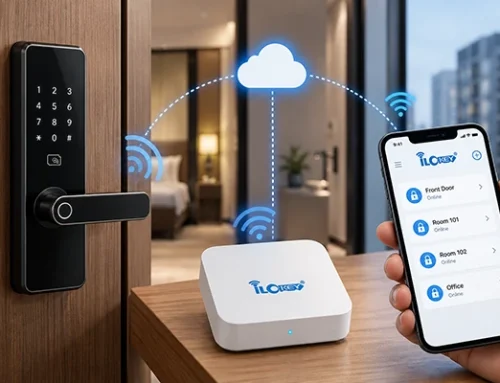
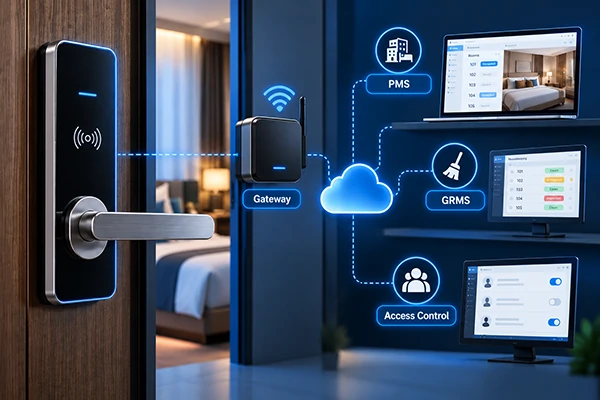
- Software and system layer: App, cloud platform, API, SDK, PMS, permissions, gateway and data workflow.
A buyer may need customization at only one or two layers. For example, a door manufacturer may keep the electronics and software unchanged but require a new narrow-profile panel and mortise relationship. A technology company may keep the physical lock largely unchanged while requiring protocol or platform integration.
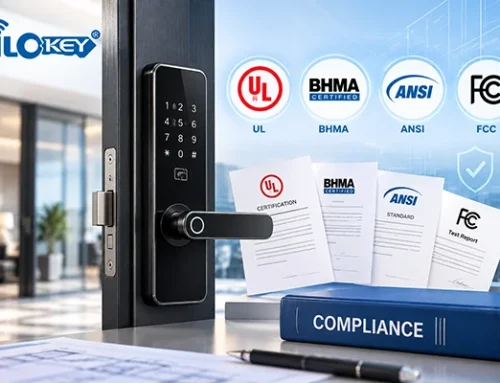
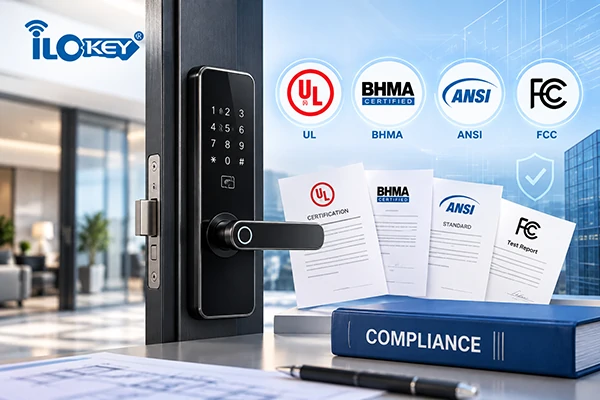
A test report or certificate applies to a defined product configuration and scope. Changes to the radio module, antenna, enclosure, power design, mortise, fire-related construction or other critical components may require technical review, supplementary testing or a new conformity assessment.
The correct approach is not to assume that an existing document automatically covers a modified model. Before tooling approval, the buyer and supplier should identify the target market, required standards, applicant or certificate holder, covered model information, test sample configuration and responsibility for future changes.
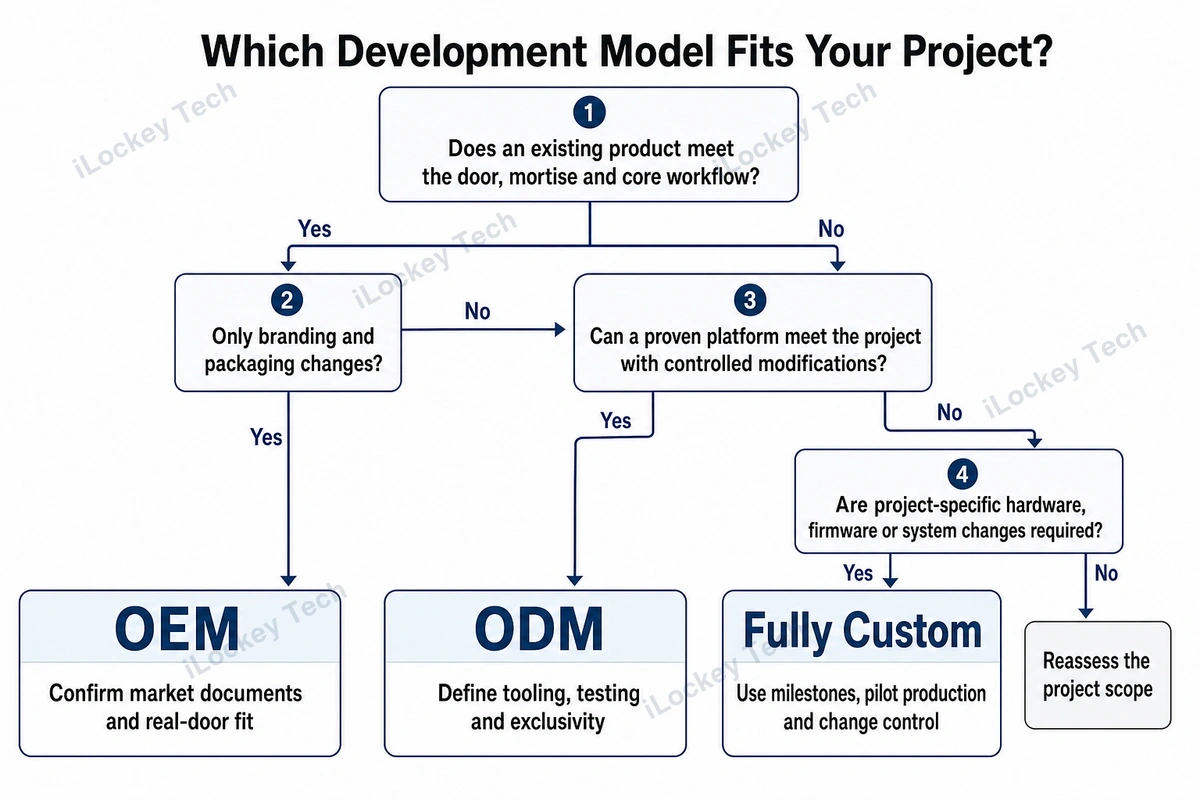
3. Which Project Model Fits Your Situation?
The right project model depends on the buyer’s market objective, technical requirements, integration needs and willingness to invest in development.
1) Testing a New Market or Launching a First Product
OEM is normally the practical starting point when a buyer needs to validate demand quickly and a suitable certified or tested product already exists. The priority should be product selection, real-door testing, packaging compliance, quality consistency and after-sales preparation—not unnecessary development.
2) Building a Differentiated Regional Product Line
ODM is often suitable for an established distributor, door company or smart lock brand that understands its customers but does not want to maintain a complete internal R&D team.
Differentiation may come from a locally suitable mortise, slimmer panel, preferred material, unique finish or a controlled feature combination.
3) Adapting a Lock to an Existing Door or Mortise
If standard products do not fit existing door preparation, the project may require deep ODM or custom mechanical development from the beginning. For retrofit work, the value of the solution may be measured by reduced drilling, faster installation and lower door replacement cost—not by the number of opening methods.
4) Integrating with an Existing App or Management Platform
Having an existing API or SDK does not automatically make integration simple. Buyers should confirm supported commands, account and permission structure, data flow, gateway architecture, development documentation, testing environment, ongoing service fees and responsibility for future version changes.
If an existing interface meets the workflow, the project may remain an ODM or integration project. If it requires new electronics, firmware, communication protocols or cloud architecture, it moves toward fully custom development.
5) Developing a Proprietary Product or Project Solution
Fully custom development becomes justified when the commercial value depends on a unique architecture, protected design, special door system, defined performance requirement or deep ecosystem integration. It requires a business case strong enough to support engineering, tooling, testing, pilot production and long-term maintenance.
4. Real Smart Lock Project Examples
The following examples are anonymized to protect customer information. They illustrate project types rather than fixed commercial packages.
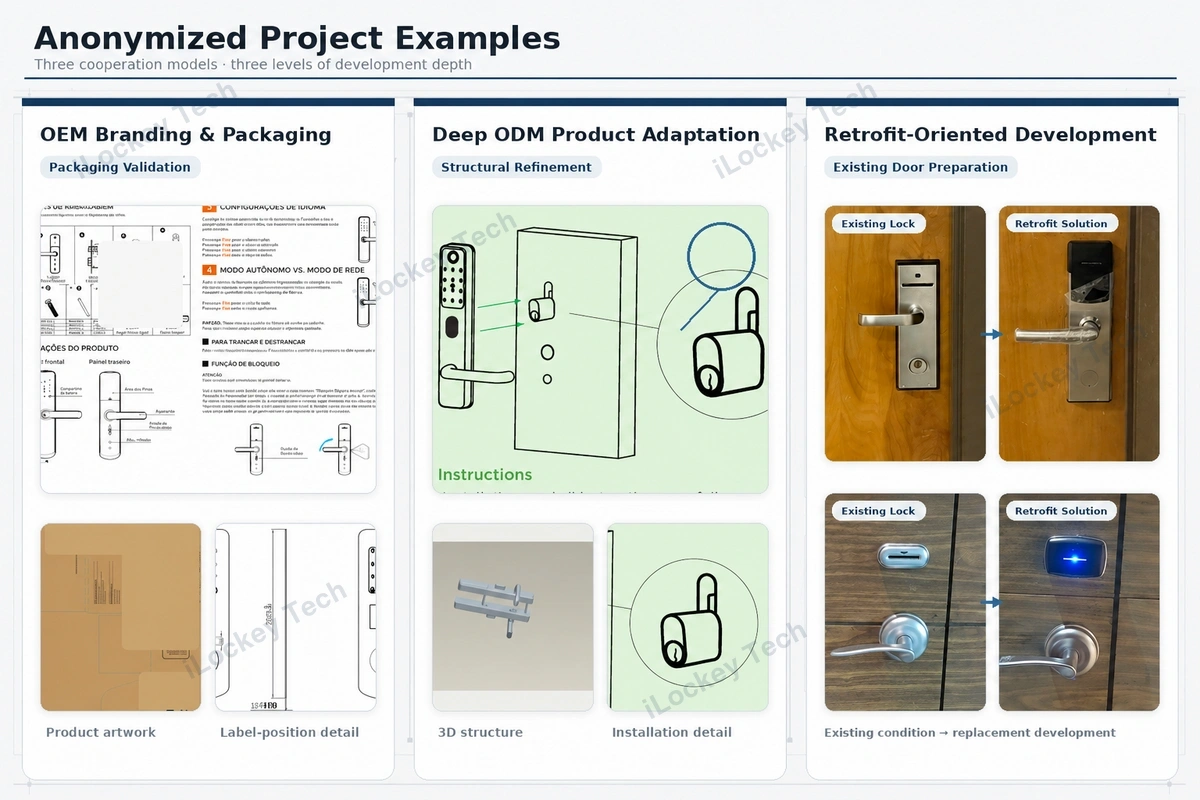
1) OEM Branding and Packaging
an overseas building-hardware customer selected an existing iLockey apartment door smart lock solution. The product platform remained unchanged while the customer supplied branded packaging artwork. The work focused on reviewing packaging information, confirming label placement and preparing the approved packaging for production.
2) Deep ODM Product Adaptation
A Danmark access-hardware company required a smart lock to meet its product and local performance requirements. Starting from an existing platform, the project involved structural refinement, keypad fit improvement, waterproofing details, internal stainless-steel reinforcement, cable routing, fire-resistant materials and repeated prototype validation.
3) Custom Retrofit-Oriented Hardware
For hotel retrofit applications, iLockey developed lock options designed around existing Vingcard Classic and Onity HT24 door preparations. The objective was to adapt the panel, internal structure and mortise relationship to existing installation conditions, reducing unnecessary door modification compared with installing an unrelated standard lock.
 5. Cost, MOQ and Timeline: Calculate the Whole Project
Unit price is only one part of a smart lock project. Buyers should calculate:
- product and accessory cost;
- branding, packaging and documentation;
- engineering and non-recurring development charges;
- tooling, fixtures and samples;
- testing, certification and documentation updates;
- pilot production and installation validation;
- software, cloud, API or platform fees;
- spare parts, warranty support and future upgrades.
MOQ and lead time depend on the product, material, tooling, component supply, test requirements and degree of modification. Instead of relying on a generic “OEM takes weeks, custom takes months” estimate, request a milestone plan covering requirement freeze, design approval, prototype, engineering validation, pilot production and mass production.
6. Intellectual Property, Tooling and Exclusivity
Paying for development or tooling does not automatically define every ownership right. The contract should distinguish:
- Background IP: technology, firmware, software, drawings, know-how and platforms already owned by either party before the project.
- Foreground IP: new results created within the project.
- Tooling rights: ownership, custody, maintenance, permitted use and transfer conditions.
- Software rights: ownership or licence, access level, update responsibility, service term and any source-code arrangement.
- Exclusivity: the exact model, design, market, customer group, term, minimum purchase commitment and exceptions.
This is especially important when a custom feature is built on the supplier’s existing PCBA, firmware or cloud platform. A buyer may receive exclusive commercial rights to a product design without owning the supplier’s underlying platform. These rights should be described in writing before development begins.
7. How to Control Project Risk?
Below we will give you some advice on how to control project risk.
1. Freeze the requirement scope. Record the target door, mortise, opening direction, functions, platform, market and required documents.
2. Use milestone approvals. Confirm industrial design, structure, functional sample, engineering sample, pilot production and final mass-production sample separately.
3. Test on real doors. A desktop demonstration cannot confirm drilling, cable routing, spindle engagement, latch movement, clearance or installer workflow.
4. Control changes in writing. Every change should state its effect on cost, timeline, tooling, testing and approved samples.
5. Confirm document coverage. Match reports and certificates to the quoted model and final configuration.
6. Plan ongoing support. Define spare parts, warranty handling, firmware updates, platform fees and end-of-service arrangements.
 8. A Practical Hybrid Strategy
Many buyers use more than one cooperation model across a product portfolio. Standard OEM products may support fast market entry, ODM products may create differentiation in important regional segments, and a fully custom model may be justified for a flagship product or strategic platform.
The sequence should follow the business requirement rather than a rigid maturity ladder. A special retrofit, certified project or proprietary platform may require deeper development from the beginning. Conversely, a mature distributor may continue using reliable OEM products where customization adds no meaningful value.
9. Final Buyer Checklist
Before selecting a project model or supplier, ask:
1. Does an existing product fit the real door, mortise and installation method?
2. Which functions and management workflows are essential?
3. What exactly will change: branding, appearance, mechanical structure, electronics, firmware or software?
4. Which reports, certificates or approvals are required in the target market?
5. Will the proposed changes affect existing test or certification coverage?
6. What are the complete engineering, tooling, testing, pilot and software costs?
7. Who owns and controls the tooling, new design and project-generated IP?
8. Which supplier technologies remain licensed background IP?
9. What exclusivity is required, and what purchase commitments support it?
10. How will samples, changes and mass-production versions be controlled?
11. What spare parts, warranty and software support will be available?
12. Can the supplier support repeat orders and future versions?
10. OEM vs ODM vs Custom Smart Locks FAQs
The following FAQs address common questions about OEM, ODM and fully custom smart lock projects, including cost, exclusivity, IP ownership and compliance.
1) Is OEM always the cheapest smart lock option?
OEM usually requires the lowest non-recurring engineering investment, but it is not automatically the lowest total-cost solution. A poor match with the door, market or management workflow can create installation, return and support costs that exceed the initial saving.
2) Can an ODM smart lock have an exclusive design?
Yes, if the exclusivity scope is negotiated and documented. The agreement should define the protected design or components, territory, term, permitted customers, tooling rights and any minimum purchase obligations.
3) Does fully custom development mean the buyer owns all technology?
No. Ownership depends on the contract. Supplier background technology, third-party modules, firmware frameworks and cloud platforms may remain supplier or third-party property, while defined project-generated designs or developments may be owned or licensed separately.
4) If a lock has CE or FCC documents, will a modified version be covered?
Not automatically. The effect of a modification depends on what changed and the scope of the existing documentation. The final configuration should be reviewed with the responsible compliance specialist or test body before mass production.
5) Should every new smart lock brand start with OEM?
Not necessarily. OEM is useful when a suitable existing product already meets the main requirements. A special door system, required certification, proprietary platform or unique commercial concept may justify ODM or fully custom work from the start.
11. Conclusion
OEM, ODM and fully custom development are not quality rankings. They describe different starting points and different levels of project work.
The best choice is the least complex model that can reliably satisfy the real door, application, market, management and commercial requirements. Buyers should define the scope first, then compare suppliers on engineering capability, product validation, documentation, change control and long-term support.
iLockey is a manufacturer and solution provider specializing in smart locks and hotel access control systems. With core team members bringing over 20 years of experience in the smart lock industry, iLockey supports OEM, ODM and project-based development for global B2B customers.
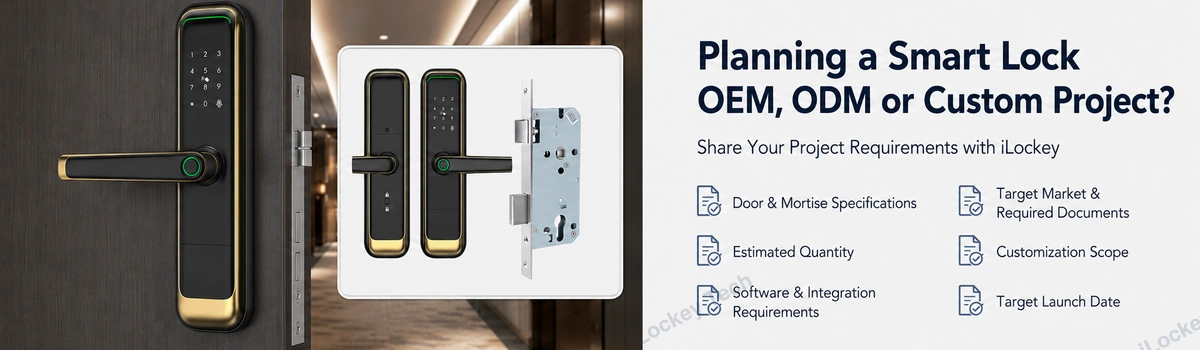
For a project evaluation, share your door and mortise specifications, target market, estimated quantity, required customization, software or integration needs and target launch date. A representative sample or pilot installation should be completed before mass deployment.